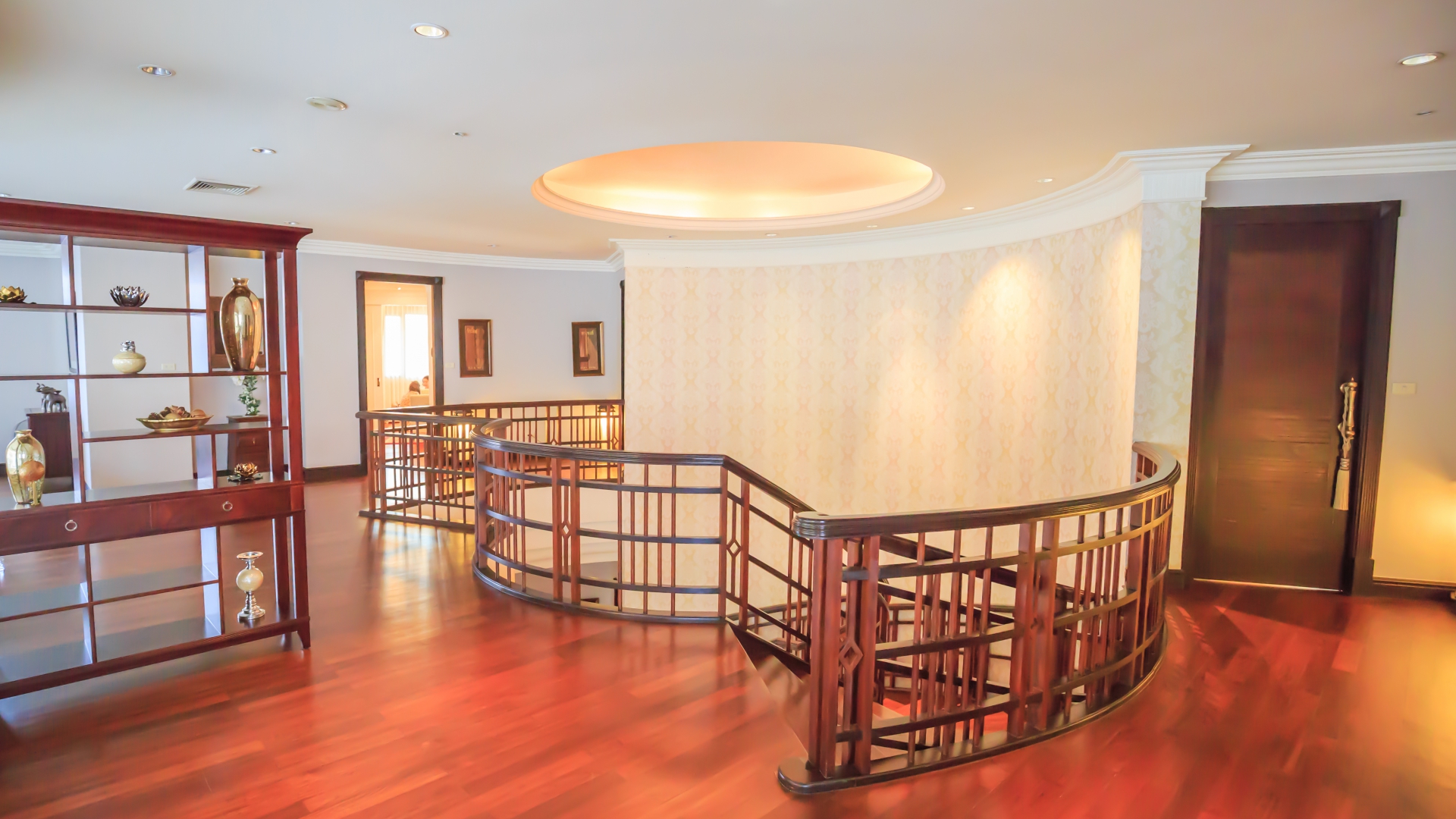
The Return of Wood - Why Natural Timber Is Having a Luxury Revival
In many cases When it comes to decor pieces, “new developments” usher in an exciting era of possibilities, but in some cases, they can miss a step. There is probably no better example of this than the decline in the use of wood. There is a reason it has been used in homes for centuries – it’s sturdy, adaptable and capable of lasting for generations when properly cared for. A beautiful piece of timber is one stain job away from being a completely different piece, it can be refinished when it begins to show its age, or left to develop a natural patina over time. Unlike newer materials that can look dated as soon as a particular design trend passes, wood tends to remain relevant.
That longevity is part of what makes it so appealing in a luxury home.
Unlike many other materials, wood is not limited to one style. It can be rustic or highly polished, traditional or contemporary, understated or dramatic. It can appear as wide-plank flooring in a country estate, dark walnut cabinetry in a modern kitchen, carved furniture in a formal living room or a simple oak console in an otherwise minimalist space.
Now, after years of interiors dominated by marble, glass, metal and extremely clean finishes, natural timber is finally taking its rightful place in a more prominent role in high-end residential design. It does feel a little disingenuous to call this a complete comeback – wood has always been there, and while it is a lot more common now that it was a few years ago, the biggest change is actually in how designers are choosing to use it.
Why Wood Has Always Had a Place in the Home
Few materials are as versatile as wood is. There are countless different types for countless different uses. It can provide structure, warmth and visual interest at the same time. It can make a large room feel more intimate, soften the harder lines of stone and glass, or add depth to a space without requiring an abundance of decoration.
An aspect of wood that not many people appreciate is how inherently reassuring it can be. You can see the grain, variations and small imperfections – those natural details are reminders that the material came from somewhere rather than being manufactured to look perfectly identical from one surface to the next. In a luxury home, where almost everything can be customized, that individuality matters.
From Floors and Walls to Furniture
The renewed appreciation for wood extends far beyond architectural elements. Furniture and decor pieces are some of the simplest ways to introduce it into your home, and the best part is, this is where customization can come into play.
Imagine what incorporating a sculptural walnut dining table could do for your dining room – it would become the focal point of the room without needing much else around it. What about a pair of vintage wooden chairs to bring character to an otherwise contemporary space? Maybe a beautifully made live edge piece that looks like it's been plucked right out of a fairy tale. They will all provide the same effect.
Wood elements can also beautifully open up possibilities that many people think can’t be done – mixing periods. An antique wooden table does not necessarily need to sit inside a traditional room. Against contemporary lighting, modern upholstery and restrained artwork, an older piece can become the detail that gives the space its personality. And adding wood pieces from different periods can work beautifully, too! You’re not boxed into one era of wood design.
The same principle applies to decorative objects. Carved bowls, timber sculptures, turned objects and handcrafted accessories can introduce natural texture without making a room feel overly themed or cheap.
The Appeal of Custom Millwork
For homeowners who are extensively renovating, wood can – and should – become part of the architecture itself. Anything from custom cabinetry and built-in shelving to library walls, doors and staircases can all be designed around the proportions of a particular home. Rather than buying something that happens to fit the room, the room can be designed around the material.
In these cases, walnut is particularly effective for creating a sense of richness and depth. Another great option is a lighter oak if you’re going for a contemporary interior of a softer quality. A darker stained wood will create a more intimate atmosphere, perfect for a library, office, or bar, while natural finishes can keep an open-plan living space feeling bright.
Remember, with wood, the beauty is in the detail. Grain direction, joinery, handles and finish all contribute to the final result.
Wood Does Not Have to Look Rustic
This is one of the most common misconceptions people have when they think of wooden architecture and decor. Wood ≠ rustic. It does not automatically make your home feel traditional, country-inspired or worst of all, cheap.
Some of the most sophisticated interiors very purposefully and proudly use wood because it provides contrast to modern architecture. Imagine a minimalist kitchen with a single wall of walnut cabinetry, a contemporary staircase wrapped in oak or a sleek living room anchored by a substantial timber coffee table. In that context, the material becomes less about “rustic design” and more about balance.
The point is, don’t be afraid to incorporate some wood into your home. It’s all about balance. A room filled with polished stone can feel cold. A room filled entirely with wood can feel heavy. But if you put the two together they make each other more interesting.
The Luxury of Being Able to Refinish
Almost every material, from architecture to decor, has a shelf life. After a while it will start showing its age, signalling to you that it’s time to upgrade. This is where one of wood’s biggest advantage comes into play, and so many people overlook it. It can change.
A floor that was originally finished in a honey-toned stain can be sanded and given a deeper, richer finish years later. Cabinetry can be refinished. Furniture can be restored. Scratches and marks that might ruin another material can sometimes simply become part of the allure of the piece.
This is important to remember: A home can evolve without every surface needing to be replaced. And in an era when longevity is increasingly becoming part of the conversation around luxury, that matters.
Bringing Wood Outdoors
With such a focus on bringing outdoor elements into the home, it’s easy for people to forget that the relationship between timber and landscape does not have to stop at the back door. In fact, your outdoor spaces are arguably where people expect it to look the best.
When it comes to outdoor kitchens, pergolas, poolside furniture, terraces and covered entertaining spaces, wood can be used to soften the contemporary landscaping, and it looks beautiful. Cedar, teak and other naturally durable species can withstand outdoor conditions while developing their own character over time. If your home is surrounded by mature trees, gardens or water, the effect can be particularly powerful, allowing natural materials to feel more connected.
A Material That Gets Better With Age
This is perhaps the main reason wood continues to find its way into beautiful homes. Luxury is often associated with things that are new, pristine and difficult to obtain, and in some cases that is true. But some of the most valuable things in a home are the opposite, they become more interesting with age, acquiring marks, memories and character. That’s what wood does.
Your wooden dining table can host decades of family dinners. A library can be lined with cabinetry that remains in place long after the original owner has moved on. A chair can be repaired rather than discarded. A floor can be refinished instead of replaced. That is more than a design trend. It is a material that quite literally holds memories.
Maybe the reason wood never really needed a comeback is because it simply needed to be appreciated again.

