Why the Best Luxury Homes Age Well
Luxury, at its highest level, is not always about what is new. Some of the most compelling homes around the world are the ones that still feel grounded, relevant, and quietly impressive years after they were built. New isn’t always bad, but there is always the risk of investing big into a feature that’s just a fad. Trends come and go, but truly exceptional properties mature with grace. They develop character rather than dating themselves.
One of the most obvious reasons great homes are well is restraint. The fact is, the strongest designs do not try to impress at every turn. They rely on proportion, balance, and thoughtful layout rather than statements meant to shock or dazzle. In the GTA’s most established neighbourhoods, many of the homes that still feel timeless today were designed with a clear understanding of scale. Ceiling heights feel generous without being excessive. Rooms flow logically rather than theatrically. Nothing feels forced and the homes dazzle anyways.
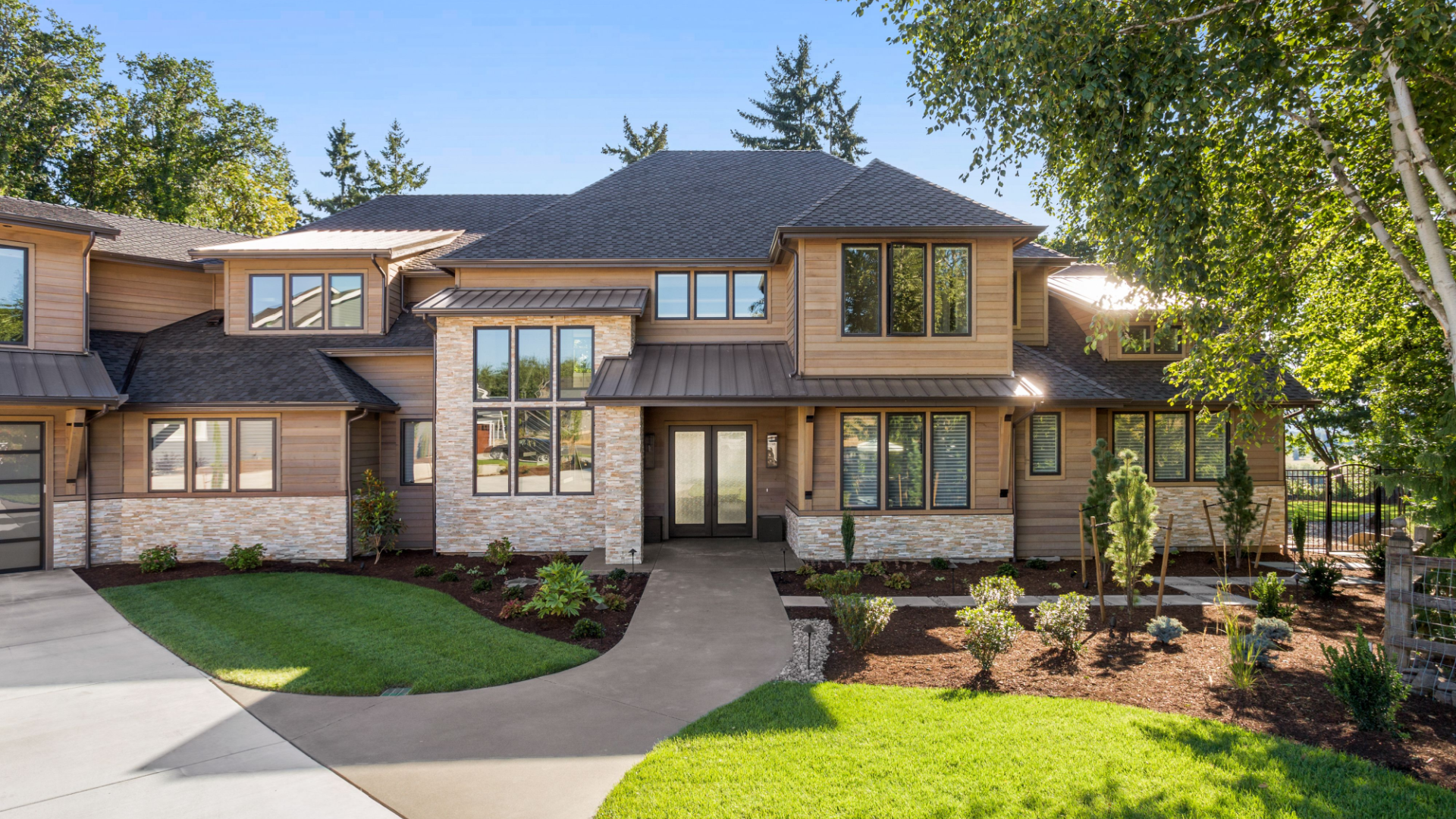
So, how is that achieved? Well, the importance of selecting the right materials can not be overstated. The best luxury homes lean into finishes that improve with time instead of fighting it. None of that is achievable without the right materials topping everything off. The best luxury homes lean into finishes that improve with time instead of fighting it. Natural stone develops softness. Hardwood floors gain warmth and depth. Metals like brass and bronze mellow rather than shine. These materials do not demand perfection. In a world where many homes feel like cookie cutter copies of each other, it’s ones with materials like these that make people ask the question “Why don’t they make homes like this anymore?”
Another hallmark of homes that age well is flexibility. Life changes, and great homes allow for that without major reinvention. A formal dining room can become a library. A secondary suite can evolve from guest space to office to private quarters for extended family. The most enduring homes are designed with adaptability in mind, even if it is subtle. This is especially important for luxury buyers who think long-term, often across generations.
Something else that matters just as much as design is the location. This one is slightly more based on the buyers preference because some will want to live near the hustle and bustle of downtown, while others will want a little more privacy. Typically, homes that age well sit within neighbourhoods that have proven themselves to do the same thing. The streets are lined with mature trees, established setbacks, and a tangible sense of calm and patience and permanence all contribute to the lasting appeal. In the GTA, this often means estate enclaves, private crescents, or legacy streets where change happens intentionally, naturally, or slowly. It’s settings like these that protect value and preserve character in a way that newer developments cannot guarantee.
There is also an emotional quality to homes that stand the test of time. They feel calm. They do not overwhelm. Light moves through them naturally. Spaces feel purposeful without being rigid. These are the type of homes that owners never get tired of, they look forward to coming home each night, to each gathering they host, and to what each day will bring. That is not something that can be designed through trend forecasting alone. It comes from understanding how people actually live.
For many discerning buyers, aging well has become a priority rather than an afterthought, afterall, a home is a long-term investment. So, the buyers focus has shifted from making an immediate impression to something that will make the same impression in 10 years as it does today. This mindset closely aligns with how we curate the most respected luxury properties in the GTA and around the world.
In the end, the best luxury homes do not chase time. They move with it. They gain depth, warmth, and quiet confidence as the years pass. That is what makes them enduring and truly valuable.

