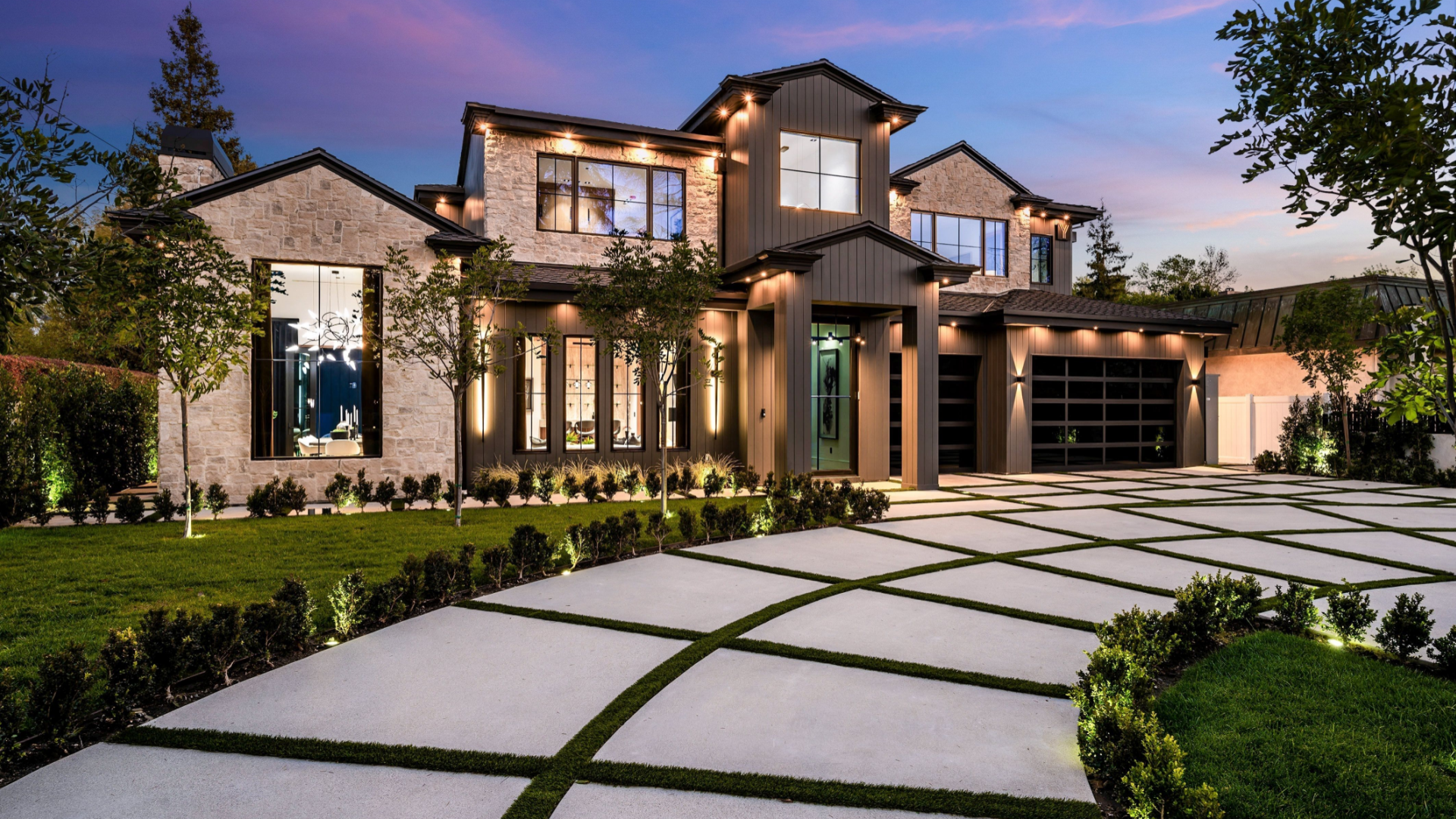
The Luxury of Arrival - Why Driveways, Gates, and Motor Courts Matter More Than You Think
Luxury doesn’t begin at the front door. It begins earlier, often quietly, in the final moments before you arrive.
The turn off the main road. The length of the approach. The way the house reveals itself, or doesn’t. These elements shape how a home is experienced long before anyone steps inside. In the most thoughtfully designed estate properties, arrival is not an afterthought. It is a deliberate act of emotional design.
A long driveway does more than provide distance from the street. It creates separation. As you move away from traffic and visual noise, the outside world slowly recedes. By the time the house comes into view, there is already a sense of calm and privacy. In the Greater Toronto Area, where true estate properties are rare and land is valuable, that sense of retreat carries real weight. A home that feels insulated from its surroundings feels more luxurious, regardless of square footage.
Gated entries add another layer to this experience. Beyond security, gates signal intention. They establish a threshold. Passing through them feels ceremonial in a subtle way, marking the transition from public to private. Whether the gate is architectural and modern or traditional and understated, it sets expectations. It tells you this is not a house you simply walk up to. It is one you arrive at.
Motor courts elevate arrival further. Circular driveways or sweeping courts are not about convenience alone, though they certainly provide it. They remove friction from daily life. Guests never wonder where to park. Cars move through the space smoothly without reversing or crowding. There’s a sense of ease that’s immediately felt, even if no one consciously names it.
In high-end GTA homes, motor courts also serve a visual purpose. They create symmetry and scale. The home is experienced head-on, framed properly, rather than glimpsed awkwardly from the side. Landscaping becomes part of the architecture. Stonework, lighting, mature trees, and seasonal plantings all contribute to a composed first impression that feels timeless rather than performative.
Lighting, in particular, transforms arrival after dark. Soft uplighting along a driveway, subtle illumination on gates or stone walls, and a gentle wash across the façade create an atmosphere that feels intentional and welcoming. In winter months, when darkness falls early, this becomes even more important. The home doesn’t disappear into the night. It announces itself quietly.
What makes these features especially relevant in GTA estate homes and private enclaves is the contrast they create. Many luxury neighbourhoods are close to city amenities, highways, and established communities. A well-designed arrival sequence creates psychological distance without physical remoteness. You may be minutes from everything, yet the property feels worlds away.
The best arrivals don’t rely on grandeur alone. They rely on restraint. Nothing feels rushed. Nothing feels crowded. The experience unfolds at the right pace. You slow down naturally as you approach. That shift in rhythm is the first luxury the home offers.
Ultimately, arrival sets the tone for everything that follows. A beautiful interior can impress, but a thoughtful arrival prepares you to receive it. It tells you, before you ever open the door, that this home understands privacy, proportion, and presence.
In truly exceptional properties, that understanding is felt the moment you turn in.

