How to Design a Kitchen That Actually Lives Well
A beautiful kitchen can capture attention immediately. A slab of heavily veined marble, custom cabinetry finished in warm oak, a sculptural range sitting beneath oversized pendant lighting. These details matter, but they are rarely what makes a kitchen memorable over time. The kitchens that age best tend to share something less obvious. They feel easy to live in.
That ease usually comes from decisions made long before finishes are selected. Before stone samples are spread across the island or appliance packages are finalized, the best kitchens begin with a much simpler question: how will the space actually be used every day? Because a kitchen is rarely just a kitchen anymore. It has become a gathering space, a workspace, a place to entertain, and often the centre of the entire home.
Start With Routine, Not Materials
Many people begin designing a kitchen by focusing on aesthetics first. The stone, the hardware, the cabinetry colour. In reality, the strongest kitchens are usually designed backwards. The first thing worth considering is how daily life naturally unfolds inside the home. Some kitchens revolve around large family breakfasts and constant activity. Others are quieter, built around evening cooking, wine with friends, or slow weekend mornings. A surprising amount of design clarity comes from understanding those habits early.
Someone who entertains frequently may prioritize a large island that allows guests to gather comfortably without interrupting the cooking space. A homeowner who works with private chefs may want a secondary prep kitchen hidden behind the main area. Families with younger children often benefit from softer transitions between the kitchen and adjacent living spaces so the room never feels isolated from the rest of the home. Luxury becomes much more convincing when it reflects how people actually live.
Layout Determines Everything
Once the flow of the home is understood, the layout becomes far more important than individual materials. You notice this immediately in well-designed kitchens. Movement feels natural. Nothing blocks the eye line unnecessarily. Appliances are positioned where they make sense rather than where they photograph best.
Even smaller details change how a kitchen functions. The distance between the island and perimeter counters. Whether multiple people can comfortably move through the space at once. The placement of refrigeration in relation to cooking areas. These things seem minor until they are lived with every day. The best luxury kitchens rarely feel crowded, even when they are busy.
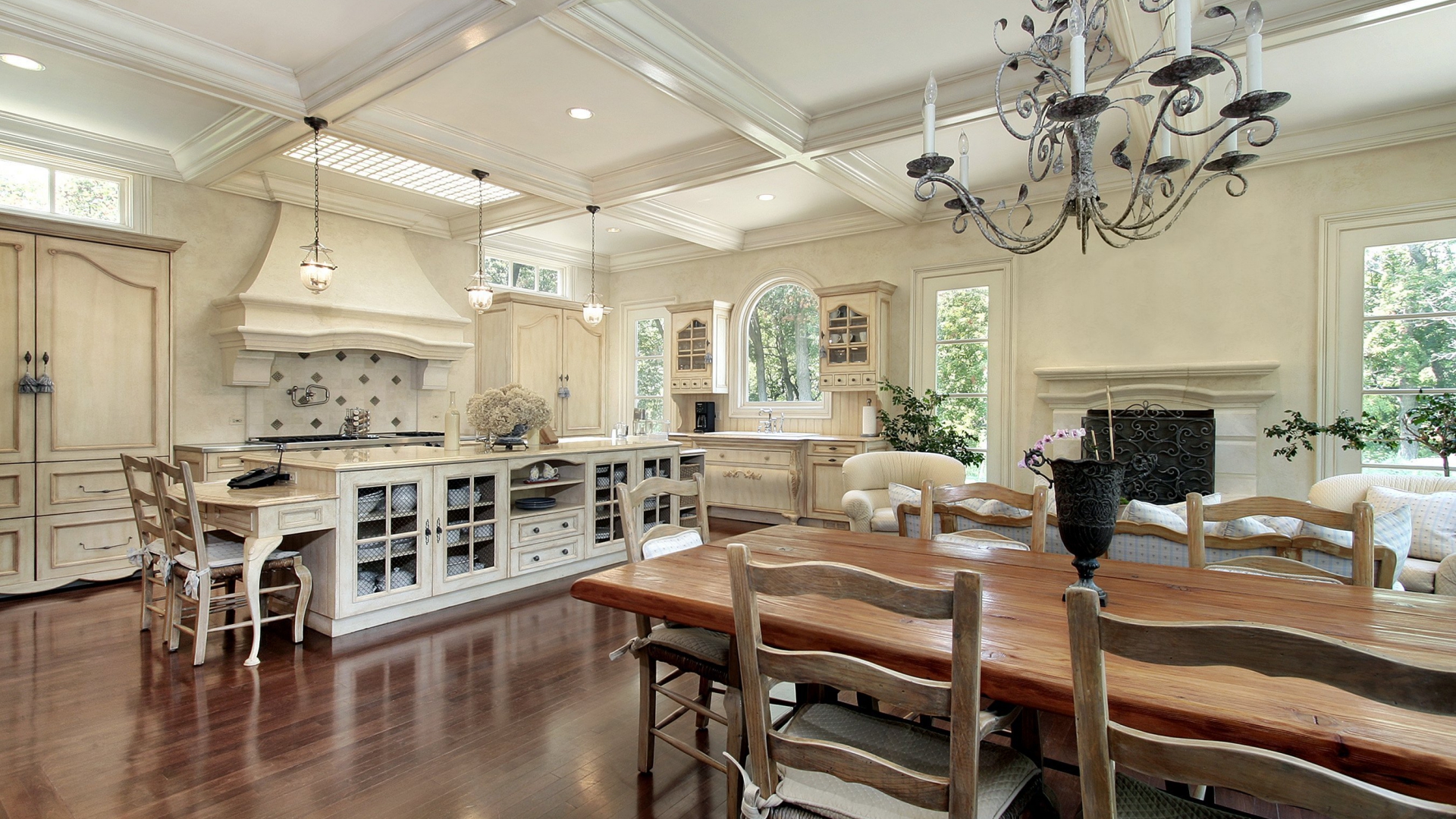
Open-concept living has also changed how kitchens are planned. In many high-end homes, the kitchen now connects directly to dining areas, outdoor terraces, and family rooms. The transition between spaces needs to feel seamless rather than segmented. When that connection works properly, the kitchen becomes part of the rhythm of the house instead of feeling like a separate room.
Natural Light Changes the Entire Atmosphere
Light is one of the few elements that cannot truly be added afterward. A kitchen flooded with soft morning light feels entirely different from one that depends heavily on artificial illumination throughout the day. Large windows, skylights, and thoughtful orientation can completely shift how a space feels to spend time in.
In luxury homes especially, kitchens are increasingly designed around light patterns. Morning coffee areas positioned where early sun reaches naturally. Oversized sliding doors opening toward outdoor dining spaces. Stone surfaces that soften and warm as daylight changes throughout the afternoon.
Lighting inside the kitchen matters just as much once the sun goes down. The strongest spaces tend to layer lighting quietly instead of relying on one dominant source. Under-cabinet lighting softens shadows, pendant fixtures create warmth over islands, and dimmable ambient lighting allows the room to shift naturally from daytime function into evening entertaining.
Materials Should Improve With Time
Luxury kitchens often reveal themselves more clearly after years of use rather than immediately after completion. Natural stone develops character slowly. Brass hardware softens and darkens slightly with age. Wood cabinetry gains depth through touch and exposure to light. These changes are part of what makes a kitchen feel established instead of temporary.
The spaces that age poorly are often the ones chasing trends too aggressively. Overly glossy finishes, harsh contrasts, or materials selected purely for impact can begin feeling dated surprisingly quickly. The kitchens that remain timeless usually lean toward restraint. Warm woods, textured stone, muted tones, and finishes that allow the architecture of the space to carry more of the visual weight. There is a confidence in kitchens that do not need to constantly announce themselves.
Storage Is Part of Luxury
One of the biggest differences between a standard kitchen and a truly high-functioning luxury kitchen is what you do not see. Integrated appliances, concealed storage, hidden coffee stations, walk-in pantries, and secondary prep areas all contribute to a cleaner and calmer environment. When clutter disappears naturally, the room immediately feels more composed.
This becomes especially important in open-concept homes where the kitchen is visible from almost every main living area. A beautifully designed kitchen still loses some of its impact when everyday appliances, cables, or countertop storage begin taking over the space visually. The best kitchens account for real life without allowing it to dominate the design.
The Kitchen Has Become the Emotional Centre of the Home
Over time, kitchens have shifted from functional rooms into social ones. People gather there almost instinctively, even during larger events. Conversations drift toward the island. Guests lean against the counter while dinner is prepared. Family members pass through constantly throughout the day without necessarily sitting down. The strongest kitchen designs understand this dynamic naturally. They leave room for movement, conversation, and lingering without sacrificing functionality.
In many luxury homes, the kitchen is no longer hidden away from the rest of the property. It is intentionally placed at the centre of it all, connected to outdoor living spaces, family rooms, terraces, and dining areas in a way that encourages interaction. And ultimately, that is what separates a beautiful kitchen from a great one. Not how perfectly it photographs on the day it is completed, but how naturally life continues unfolding inside it years later.

